
There’s something comforting about knowing where your household water comes from, especially if you live in a property with its own private well. But having a dependable water supply and knowing whether that water is safe to drink are two different things. Even water that looks wonderfully clear can contain microorganisms that escape ordinary observation.
Installing UV disinfection for household water can provide an effective way to address microbial concerns without introducing chemical disinfectants during the treatment process.
It’s a technology worth understanding, particularly for homeowners looking to take a more proactive approach to water quality. And while ultraviolet treatment might sound complicated at first, the basic principle behind it is surprisingly straightforward.
How Ultraviolet Light Works Behind the Scenes
Unlike traditional water filters that physically capture particles, ultraviolet equipment addresses microorganisms through exposure to UV light.
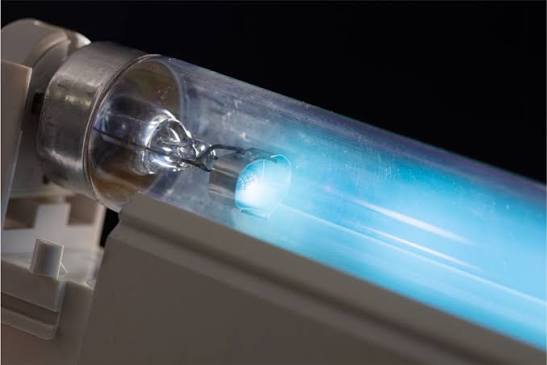
Water flows through a specially designed chamber containing an ultraviolet lamp. When susceptible microorganisms receive an adequate UV dose, their genetic material becomes damaged, preventing them from reproducing effectively.
This process can inactivate various bacteria, viruses, and protozoa under suitable operating conditions.
An appealing aspect of ultraviolet disinfection is that it doesn’t introduce chemical disinfectants or significantly alter the mineral composition of water.
However, effectiveness depends on water clarity, flow rate, lamp condition, and equipment capacity.
It’s not simply a matter of exposing water to light. The system must deliver an appropriate ultraviolet dose consistently.
Why Proper Installation Makes Such a Difference
Purchasing quality equipment is important, but getting the installation right matters just as much.
Professional UV water treatment installation involves evaluating incoming water conditions, household consumption, plumbing connections, electrical requirements, and the available space for treatment equipment.
Centralized systems are generally positioned near the main water supply connection, following suitable preliminary treatment equipment.
An installer should consider whether suspended particles, excessive iron, or hardness could interfere with ultraviolet performance.
Maintenance accessibility deserves attention, too. Eventually, you’ll need to replace the lamp or arrange cleaning of its protective sleeve.
Nobody wants a straightforward maintenance task to become unnecessarily complicated because equipment was installed in an awkward location.
Taking care of these details early can make long-term ownership considerably easier.
Building a Treatment System Around Your Water Quality
Every household has different water characteristics. Some properties experience excessive sediment, while others have elevated mineral concentrations or recurring microbial concerns.
Effective water purification with UV technology often requires complementary treatment methods that prepare incoming water for reliable ultraviolet exposure.
Sediment filtration can reduce suspended particles that might otherwise interfere with light transmission. Conventional softening or specialized iron treatment may help manage deposits that could accumulate on equipment components.
Activated carbon filtration might also be appropriate when separate taste or odor concerns exist.
The important thing is understanding that these technologies perform different functions.
A carefully selected treatment arrangement should address concerns identified through water testing rather than simply incorporating as many components as possible.
Why Private Well Owners Shouldn’t Overlook Regular Testing
If you’ve relied on the same private well for years without noticeable problems, it’s natural to assume everything is fine.
Unfortunately, groundwater conditions aren’t necessarily permanent.
Heavy rainfall, flooding, damaged well components, and nearby environmental activities can potentially influence water quality.
Regular laboratory testing helps homeowners identify microbial contamination and other concerns that may require attention.
If contamination is detected, investigating the underlying source is equally important. Ultraviolet equipment shouldn’t replace necessary well repairs or measures that prevent contamination from entering the supply.
Maintaining a private well requires a little extra responsibility, but having reliable information about your water can provide considerable reassurance.
Understanding What UV Treatment Cannot Remove
Ultraviolet disinfection offers specific advantages, but it’s important to recognize its limitations.
It doesn’t physically remove sediment, dissolved hardness minerals, heavy metals, or chemical contaminants. Additional treatment methods may be necessary depending on your water quality.
UV equipment also requires electricity and doesn’t provide a lasting disinfectant residual throughout downstream plumbing.
During a power interruption or equipment failure, effective disinfection may stop.
Homeowners should understand their system’s warning indicators and have access to a safe alternative drinking water supply if treatment becomes unreliable.
These considerations aren’t reasons to dismiss ultraviolet technology. They’re simply important details that help homeowners use it responsibly and effectively.
Keeping Your Ultraviolet System Working Dependably
Once treatment equipment is installed, it’s easy to forget about something that operates quietly in the background.
Nevertheless, ultraviolet lamps gradually lose effectiveness, even when they continue producing visible light.
Protective sleeves may develop mineral deposits, while preliminary filtration cartridges require periodic replacement.
Follow manufacturer recommendations regarding servicing, lamp replacement, and sleeve cleaning.
Consider setting a calendar reminder so routine maintenance doesn’t get overlooked during particularly busy months.
Periodic laboratory testing is also important for evaluating whether your treatment arrangement continues addressing identified microbial concerns.
Before purchasing equipment, ask about replacement component availability and professional servicing options. These practical details can make a significant difference over the system’s lifespan.
Taking a Sensible Approach to Household Water Protection
Looking after your family’s water supply doesn’t need to become an overwhelming responsibility.
Begin with reliable testing, understand your property’s particular requirements, and choose treatment equipment with demonstrated capabilities.
Ultraviolet disinfection can provide valuable microbial protection when supported by appropriate filtration, correct installation, and consistent maintenance.
Ultimately, water is part of countless ordinary moments throughout the day. Making breakfast, washing fresh vegetables, filling drinking bottles, and preparing dinner for the people you love.
Taking practical steps to protect something so essential is more than a household improvement. It’s a thoughtful investment in everyday well-being that deserves attention long before an obvious problem appears.