
Water problems rarely announce themselves in a dramatic way. More often, they begin with small changes that are easy to overlook. A glass of water tastes a little different. Rust-colored marks appear around a sink. Soap leaves a film on the shower door, or a business owner notices that equipment needs cleaning more often than it used to. At first, these things may seem like ordinary household or workplace annoyances. Over time, however, they can point to a water-quality issue worth investigating.
The challenge is knowing what to do next. Buying a filter without understanding the problem can waste money, and ignoring unusual changes isn’t a sensible long-term plan either. The better approach is to identify what’s happening, understand the available treatment options, and choose a solution that fits the situation. Whether the water is used in a family home, an office, a restaurant, or a manufacturing facility, good decisions begin with reliable information.
Start by Understanding Your Water
Water can contain naturally occurring minerals, dissolved substances, sediment, and other materials picked up as it moves through soil, treatment systems, and plumbing. Some characteristics are harmless but inconvenient, such as hardness that leaves mineral deposits. Others may affect taste, odor, or suitability for a particular use.
Appearance alone doesn’t tell the whole story. Clear water can still contain substances that require testing, while cloudy water may simply contain suspended particles. Likewise, an unusual smell can have several possible causes, so guessing based on one symptom may lead to the wrong treatment choice.
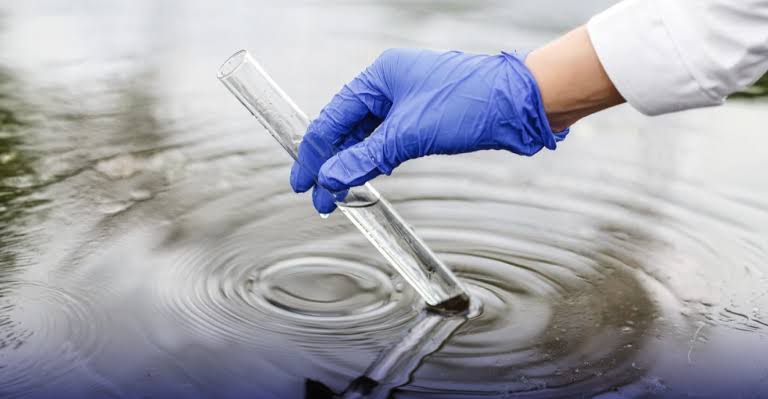
This is where water testing & analysis becomes valuable. Testing helps establish a clearer picture of the water’s characteristics and can identify concerns that need attention. Depending on the water source and suspected issue, testing may examine hardness, pH, iron, manganese, dissolved solids, microbial contamination, or specific chemical substances.
The appropriate test depends on the circumstances. A homeowner using a private well may need a different testing plan from a business connected to a regulated municipal supply. If contamination is suspected, a qualified laboratory or relevant local health authority can help determine which tests are appropriate. For drinking water, choose methods suited to the substance being investigated rather than relying on a generic home test for every concern.
Recognize the Signs of a Water Problem
Some water-quality issues are relatively easy to spot. White deposits on faucets and showerheads often indicate mineral buildup, particularly in areas with hard water. Orange or reddish stains may suggest iron, although plumbing corrosion and other factors can also contribute. A persistent chlorine-like taste or odor may be associated with water disinfection, while a sudden change in smell deserves closer attention.
Businesses can experience their own set of warning signs. Restaurants may notice spots on glasses or scale inside dishwashing equipment. Hotels can face repeated cleaning challenges in bathrooms, while industrial operations may find that mineral deposits interfere with heating, cooling, or production processes.
These signs don’t automatically mean the water is unsafe. They do, however, provide useful clues about where to investigate. Keep track of when the problem started, whether it affects every tap, and whether it changes after plumbing work or heavy rainfall. Those details can help a water professional narrow down the likely cause.
If water suddenly becomes discolored, develops an unusual odor, or is suspected of being contaminated, don’t assume that filtering it with an ordinary pitcher makes it safe to drink. Follow local public-health guidance and arrange appropriate testing. Where microbial contamination is possible, use a confirmed safe alternative for drinking and food preparation until the issue has been assessed.
Choosing a Solution That Addresses the Cause
Once the problem is understood, treatment becomes much more straightforward. Different technologies are designed for different purposes, and selecting the right one depends on the results of the assessment.
Hard water, for example, may be managed with a water softener that reduces calcium and magnesium through ion exchange. Sediment can often be addressed with a suitably sized particulate filter. Activated carbon may help reduce chlorine taste and odor, as well as certain other substances when the system is designed and certified for that purpose. Reverse osmosis can reduce many dissolved contaminants, but its performance varies by system and by the substances being targeted.
A good treatment plan should match the equipment to the measured problem. Installing a softener won’t necessarily remove a chemical contaminant, and a basic sediment filter won’t resolve every taste or odor issue. That’s why problem water solutions should be selected after testing rather than based solely on a sales recommendation.
It also helps to think about where treatment is needed. Some homes benefit from equipment installed where water enters the building, while others need a dedicated drinking-water system at the kitchen sink. The same principle applies to commercial properties: treating the entire supply may be appropriate in one facility, while a specific process or piece of equipment may need its own treatment setup.
Before making a purchase, ask what the system is designed to remove, what independent certifications support its performance, and how often components need replacement. Clear answers are a good sign that the supplier understands the equipment and its limitations.
Why Businesses Need a More Considered Approach
Water quality can affect more than convenience in a commercial setting. Depending on the industry, it may influence product consistency, equipment performance, cleaning routines, operating costs, and compliance with applicable requirements. A small problem repeated every day can become a substantial expense over a year.
For example, mineral scale inside a heating system may reduce heat-transfer efficiency. In a restaurant, deposits on dishwashing equipment can lead to additional cleaning and maintenance. In certain manufacturing environments, water chemistry must stay within defined limits to protect processes and finished products.
Commercial water treatment therefore requires attention to the intended use of the water, daily demand, and the consequences of inconsistent quality. A solution that works well for a small office may be unsuitable for a food-processing facility or a high-volume hospitality business.
Commercial operators should consider flow rates, peak usage, water chemistry, available installation space, and the cost of routine servicing. Treatment systems may also need monitoring to verify that they continue to perform as expected. Where regulations apply, the system must be selected and maintained in line with the relevant requirements.
A supplier with commercial experience should be able to explain these practical details, not just provide a list of equipment features. It is worth discussing maintenance arrangements before installation, especially when water quality is closely connected to business operations.
Maintenance Keeps the System Working
Even a well-designed system needs regular attention. Filters become loaded with material, softeners require appropriate replenishment, and membranes or other components eventually need replacement. If maintenance is neglected, performance can decline without an obvious warning.
Create a simple service record that includes installation dates, filter changes, test results, and any repairs. Follow the manufacturer’s recommended schedule, and arrange additional checks when the water changes or the system begins behaving differently. For businesses, planned maintenance can reduce the chance of an unexpected interruption during a busy period.
Retesting is useful, too. Initial results help select the right treatment, while follow-up testing can confirm whether the solution is working as intended. The frequency depends on the water source, the identified risks, and any applicable public-health or industry guidance.
Make Decisions With Confidence
Water treatment doesn’t need to be complicated, but it should be based on facts. Start with the symptoms, investigate the likely causes, and use appropriate testing to establish what needs attention. Then compare treatment options according to their demonstrated performance, installation requirements, running costs, and maintenance needs.
Be cautious of anyone who promises that one product will solve every water problem without first asking about the water itself. Reliable professionals should explain both the benefits and the limitations of their recommendations.
Ultimately, better water quality begins with asking sensible questions. When you understand what’s in your water and how it’s used, you can choose a practical solution that protects your investment and supports everyday needs. It’s a more thoughtful approach than trial and error—and one that can save time, money, and a fair amount of frustration in the long run.