
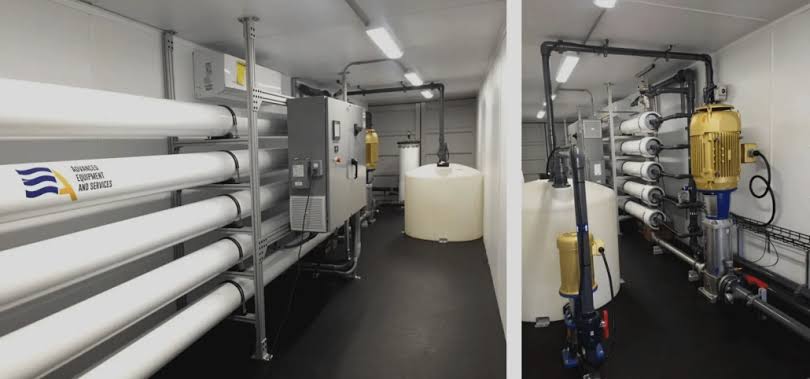
Most household equipment gets attention only when something goes wrong. The washing machine starts making a strange noise, the air conditioner stops cooling, or a tap begins dripping just when you’re rushing out the door. Water treatment systems can fall into the same category. They’re often tucked away in a utility room or beneath the kitchen sink, quietly doing their job until the water tastes different or the pressure drops.
A little routine care can prevent many of these surprises. Whether your home has a drinking-water filter, a softener, or a whole-house treatment setup, knowing what to check and when to call for help can make ownership much easier. You don’t need to become a technician. You just need a few sensible habits and a basic understanding of how your equipment works.
Why Routine Care Makes a Difference
A water treatment system is made up of components that gradually wear out or collect material during normal use. Filters capture particles or reduce certain substances, softeners regenerate to manage hardness, and reverse osmosis membranes work under specific operating conditions. None of these components lasts forever.
Consistent water system maintenance helps keep equipment operating according to its design. It can also make small problems easier to spot before they lead to leaks, reduced flow, or disappointing treatment results. A clogged filter, for example, may initially cause only a slight drop in pressure. If it’s ignored, the restriction may become more noticeable and interfere with everyday tasks.
Maintenance also helps you understand what you’re paying for. Keeping track of replacement cartridges, service visits, and operating supplies gives you a clearer picture of the system’s long-term cost. That’s useful when budgeting, but it also helps you decide whether the equipment continues to meet your household’s needs.
The right routine depends on the type of system, the quality of the incoming water, and how much water your family uses. A household with heavy sediment may need more frequent filter changes than one with relatively clean incoming water. Manufacturer instructions are a sensible starting point, with adjustments made when testing or professional advice indicates they’re necessary.
Learn the Warning Signs Before They Become Problems
Water treatment equipment doesn’t always fail suddenly. Often, it gives small clues that something needs attention. You might notice slower water flow at the drinking-water faucet, a return of white scale around showerheads, or an unusual taste after a filter has been in service for several months.
These changes are worth investigating, although they don’t always point to the same cause. Low pressure could come from a clogged cartridge, a plumbing restriction, or another issue elsewhere in the home. Returning mineral deposits may suggest that a softener needs attention, but water hardness should be checked before assuming the unit is responsible.
Pay attention to odors and color changes as well. If water suddenly becomes cloudy, develops an unusual smell, or leaves new stains, don’t simply install another filter and hope for the best. The cause may involve the water source, plumbing, or treatment equipment. Appropriate testing can help distinguish between these possibilities.
It helps to make a brief note whenever something changes. Record which faucet is affected, whether the problem occurs with hot or cold water, and when you first noticed it. These details may seem minor, but they’re useful when discussing the issue with a technician.
Know When It’s Time to Arrange a Visit
Some maintenance tasks are simple enough for a homeowner to handle. Checking a softener’s salt level, looking for visible leaks, or noting filter replacement dates usually doesn’t require specialist equipment. Other tasks are less straightforward, particularly when they involve internal components, plumbing connections, electrical parts, or changes to system settings.
If you notice persistent pressure loss, repeated leaks, unusual equipment noises, or a sudden decline in performance, it may be time to schedule service with a qualified professional. Waiting too long can turn a manageable repair into a more disruptive problem. On the other hand, replacing equipment immediately isn’t always necessary; an inspection may reveal a straightforward fix.
Before booking an appointment, gather the information you have. The system’s make and model, installation date, recent filter changes, and a description of the symptoms can help the service provider understand the situation. If you have recent water-test results, keep those available too.
Ask what the visit will include and whether there is a diagnostic fee. If repairs are recommended, request an explanation of the problem, the proposed work, and the expected cost. Clear communication makes it easier to decide what should happen next without feeling rushed.
What a Professional Inspection Can Cover
A proper inspection should reflect the equipment installed in your home rather than follow the same checklist for every property. A technician working on a softener may examine regeneration settings, the brine tank, and relevant connections. For a reverse osmosis system, attention may turn to filter condition, membrane performance, storage components, and possible leaks.
Depending on the system, professional maintenance may also include checking flow rates, inspecting fittings, cleaning serviceable components, and reviewing whether replacement parts are due. The aim is to confirm that the equipment is operating as intended and identify concerns that aren’t obvious during everyday use.
It’s reasonable to ask the technician to explain any findings in plain language. If a part needs replacement, find out why and whether the issue affects system performance or simply represents routine wear. You should also receive guidance on future service intervals and any tasks you can safely complete yourself.
A useful inspection doesn’t have to result in a long list of upgrades. Sometimes the equipment needs only a routine filter change or minor adjustment. If a more substantial repair is recommended, a clear explanation helps you understand the value of the work.
Don’t Forget About Filters and Consumable Supplies
Filters are among the most commonly overlooked parts of a treatment system. Because they’re hidden from view, it’s easy to forget how long they’ve been installed. Yet an exhausted cartridge may no longer provide the expected performance, even when the water still looks clear.
Follow the manufacturer’s replacement guidance and use compatible parts. Different filters are designed for different purposes, and a cartridge that fits physically may not deliver the same verified performance as the specified model. After replacement, follow any required flushing or startup instructions.
Water softeners have their own routine needs. Salt-based units generally require periodic salt replenishment, and the tank should be checked according to the manufacturer’s instructions. If hardness begins returning despite adequate supplies, the system may need further investigation.
Reverse osmosis systems usually have multiple components with different service lives. Replacing one filter doesn’t necessarily mean every other component is ready for replacement. Keep a record of each stage so that maintenance is based on the actual schedule rather than guesswork.
Build a Routine You Can Actually Follow
The best maintenance plan is one that fits into ordinary life. Put replacement dates on a calendar, keep the owner’s manual somewhere accessible, and store basic service records together. A quick monthly visual check for leaks or unusual changes can also help you catch problems early.
The exact frequency of inspections and replacements depends on the equipment, water conditions, and household demand. Avoid treating a generic online schedule as a substitute for manufacturer guidance. If your water source changes or you notice a persistent difference in quality, testing may be more useful than simply increasing maintenance frequency.
Keep Your Water System Working for You
A water treatment system should make everyday life more convenient, not become another source of uncertainty. Regular checks, timely filter changes, and appropriate servicing can help protect that investment and keep performance consistent.
Start with the instructions for your particular equipment, pay attention to changes, and ask for qualified help when a problem goes beyond routine care. A thoughtful maintenance habit may take only a little time, but it can save considerable frustration later. Most of all, it helps you make informed decisions about an essential part of your home.