
There’s something satisfying about making better use of what nature freely provides. Rain falls on rooftops every season, flows through gutters, and disappears into storm drains before most of us give it a second thought. Yet that same water can become an incredibly valuable resource when collected and managed properly.
As water costs continue to rise and weather patterns become less predictable, homeowners are looking for practical ways to reduce dependence on municipal supplies. Rainwater harvesting isn’t a new idea—people have been collecting rain for centuries—but modern technology has transformed it into an efficient, reliable solution for homes of every size.
Whether you’re interested in lowering utility bills, maintaining a healthier garden, or creating an emergency water reserve, harvesting rainwater offers benefits that go well beyond simple conservation.
Water Conservation Starts at Home
Most people think about saving water by taking shorter showers or fixing dripping faucets. Those habits certainly help, but collecting rainwater opens up an entirely different opportunity.
A surprising amount of household water use doesn’t actually require treated drinking water. Watering lawns, washing vehicles, cleaning patios, flushing toilets, and irrigating landscaping can all be done using properly stored rainwater.
By reducing demand on municipal systems, homeowners not only lower monthly water bills but also contribute to preserving local water resources for future generations.
It’s one of those rare home improvements that benefits both your household and the environment at the same time.
Every Rainfall Is an Opportunity
Think about the size of your roof for a moment.
Even a modest home can collect hundreds of gallons of water during a single heavy rainfall. Instead of allowing that water to disappear into drainage systems, a harvesting setup captures and stores it for future use.
Of course, successful collection depends on more than placing a barrel beneath a downspout. Proper gutters, leaf screens, first-flush diverters, filtration components, and overflow management all contribute to cleaner stored water.
Planning the system carefully from the beginning makes everyday operation much easier.
Choosing the Right rainwater harvesting accessories
The overall performance of any harvesting system often comes down to the quality of its supporting components. Well-designed rainwater harvesting accessories help improve water quality while making maintenance far more manageable.
Leaf guards prevent debris from entering the system. First-flush devices divert the initial runoff that may carry dirt and contaminants from the roof. Fine mesh screens reduce insects and organic matter, while overflow fittings safely direct excess water away during heavy storms.
Although these accessories may seem like small additions, they often determine how clean, efficient, and reliable the entire system becomes over time.
Investing in quality components early usually reduces maintenance later.
Storage Is More Important Than Collection
Collecting rainwater is only half the process. Storing it properly is equally important.
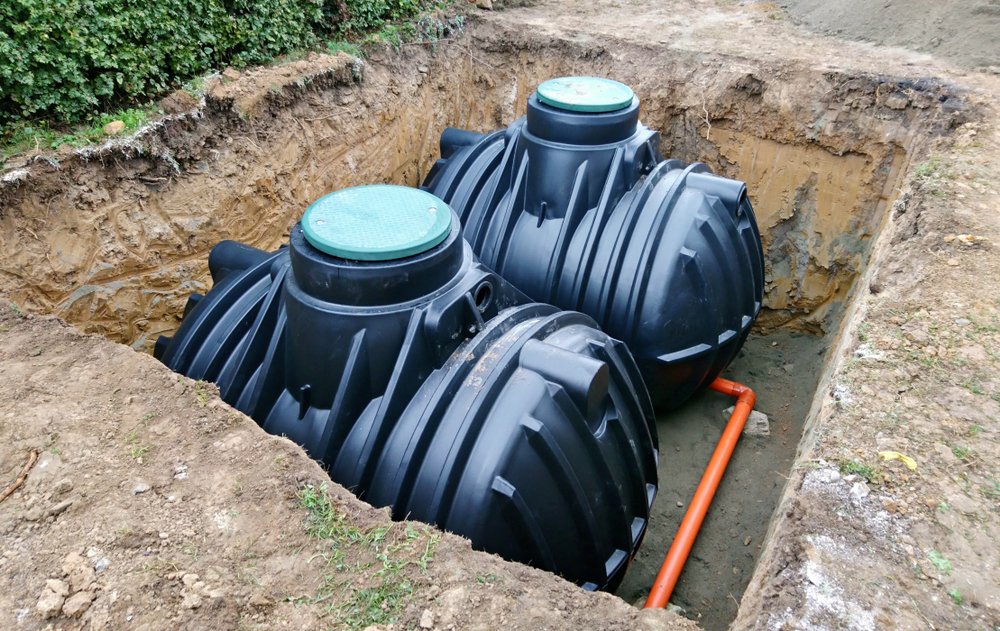
Modern rainwater tanks come in a wide range of sizes, materials, and designs to suit different properties. Some homeowners choose slim tanks that fit neatly alongside the house, while others install larger underground storage systems capable of holding thousands of gallons.
The ideal tank depends on available space, local rainfall, intended water usage, and household needs.
Properly sealed storage also minimizes algae growth, reduces mosquito breeding, and helps preserve water quality between rain events.
A thoughtfully selected storage solution often becomes the heart of the entire harvesting system.
Making Stored Water Easy to Use
Collecting water is one thing. Delivering it where it’s needed is another.
Gravity works well for some simple irrigation projects, but larger systems usually benefit from mechanical assistance. That’s where rainwater pumps become incredibly valuable.
Modern pumps provide steady water pressure for garden irrigation, outdoor taps, washing equipment, and in some systems, even indoor non-potable plumbing applications.
Many newer models operate quietly while consuming surprisingly little electricity, making them practical for everyday residential use.
When paired with automatic pressure controls, homeowners often enjoy water availability that’s nearly as convenient as traditional plumbing.
Water Quality Still Deserves Attention
Rainwater may begin as relatively pure precipitation, but once it reaches rooftops and gutters, it can pick up leaves, pollen, bird droppings, dust, and other contaminants.
That doesn’t mean harvested rainwater is unsafe. It simply means proper filtration and maintenance matter.
Cleaning gutters regularly, inspecting filters, checking screens, and maintaining storage tanks all contribute to better water quality.
If harvested water will be used for drinking purposes, additional treatment methods such as sediment filtration, activated carbon, ultraviolet disinfection, or other purification technologies may be appropriate depending on local regulations and water testing results.
Routine maintenance is a small investment compared to the long-term benefits.
Financial Benefits Grow Over Time
Installing a rainwater harvesting system requires an upfront investment, but many homeowners discover the long-term savings make the project worthwhile.
Reduced municipal water consumption lowers monthly utility bills. Gardens remain healthy during dry periods without increasing water costs. Landscapes receive naturally soft water that’s often better for plants than chlorinated tap water.
Some regions even offer rebates or incentives for water conservation projects, helping offset installation expenses.
While immediate savings vary depending on climate and household usage, the overall value often increases year after year.
Building a More Sustainable Lifestyle
One of the most rewarding aspects of rainwater harvesting isn’t financial at all.
It creates a stronger connection between homeowners and the natural resources surrounding them. People begin paying closer attention to seasonal rainfall, water usage habits, and opportunities to conserve rather than consume.
That shift in perspective often extends beyond water. Families become more aware of energy use, waste reduction, landscaping choices, and other environmentally responsible decisions.
Sometimes one thoughtful home improvement inspires many others.
A Simple Investment With Lasting Rewards
Rainwater harvesting isn’t about replacing your existing water supply. It’s about making smarter use of the resources already available.
With proper planning, quality equipment, and regular maintenance, a harvesting system provides dependable water for gardens, outdoor cleaning, landscaping, and many everyday household tasks. It reduces pressure on municipal infrastructure, supports sustainable living, and offers greater resilience during periods of drought or water restrictions.
More importantly, it reminds us that practical solutions don’t always have to be complicated.
Every rainfall represents an opportunity. Instead of letting that valuable resource disappear into the nearest storm drain, homeowners can capture it, store it wisely, and put it to meaningful use throughout the year. Over time, those simple choices add up—not only in water savings but also in creating a home that’s more efficient, environmentally responsible, and prepared for whatever the seasons may bring.