
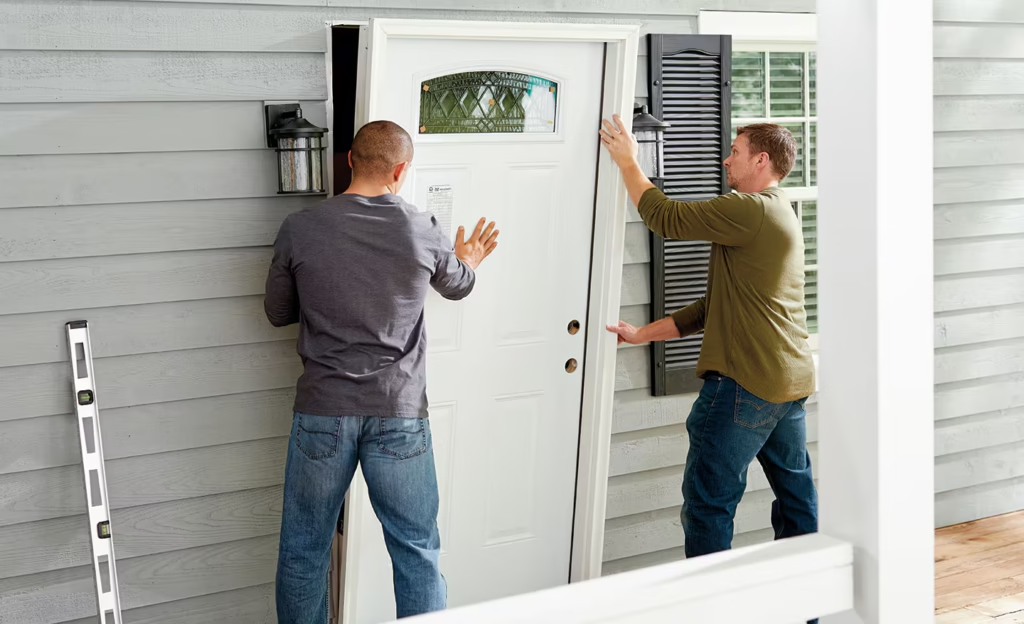
Your front door does more than welcome guests. It helps keep your home comfortable, secure, and protected from whatever the weather decides to throw at it. Yet doors are often one of those home features people put off replacing. If it still opens and closes, why bother?
Well, an aging exterior door can quietly create problems. Drafts creep in around the frame. Locks become unreliable. Moisture may find its way into damaged wood. And sometimes, the door simply looks tired compared with the rest of the house.
That’s where choosing the right replacement—and having it installed properly—can make a surprisingly noticeable difference.
When Is It Time to Replace an Exterior Door?
Not every old door needs to go straight into the dumpster. Some can be repaired or adjusted. But there comes a point when replacement makes more sense financially and practically.
Visible cracks, rotting wood, warping, rust, damaged weatherstripping, and persistent drafts are all signs worth paying attention to. You may also notice that the door sticks in summer, becomes difficult to lock, or leaves a noticeable gap around the frame.
Security is another consideration. Older doors and outdated locking systems may not offer the level of protection homeowners expect today.
Then there’s appearance. A faded or damaged entry door can make an otherwise well-maintained home look a little neglected. Replacing it can freshen up the entire exterior without taking on a huge renovation project.
A professional exterior door replacement can address several of these concerns at once, especially when the existing frame has deteriorated or the door no longer fits properly.
Choosing the Right Door for Your Home
There are more options available than many homeowners realize. Fiberglass, steel, wood, and composite doors all have their own strengths.
Fiberglass is popular because it offers durability with relatively low maintenance. It can also mimic the appearance of natural wood, which is handy if you like a traditional look without wanting to spend every few years refinishing the surface.
Steel doors are valued for strength and security. They can also provide good insulation when properly constructed. Wood, meanwhile, brings warmth and character that’s hard to imitate. The trade-off is that wood generally needs more maintenance, particularly in areas exposed to moisture and changing weather.
Think about your local climate, too. A beautiful door that doesn’t handle your weather well isn’t necessarily a good investment.
Glass panels can bring more natural light into an entryway, but privacy and security should be considered before choosing a large glass design. Decorative glass can be a nice middle ground.
And don’t forget the hardware. Hinges, handles, locks, door closers, and smart-entry systems all contribute to how the finished installation feels and functions.
Why Professional Installation Matters
Buying a quality door is only half the job. Installation has a bigger impact than many people expect.
A door that’s slightly out of square can rub against the frame, refuse to latch correctly, or leave gaps that allow outside air and moisture inside. Even a small installation error can become an annoying daily problem.
Professional exterior door installation typically involves more than simply fitting the slab into the opening. The installer needs to check the opening, level and square the frame, install appropriate flashing and weather barriers, adjust the hinges, and make sure the locking hardware works correctly.
Weather sealing deserves particular attention. The area around the door is one of the places where unwanted air leakage can occur. Proper insulation and sealing around the frame can help improve comfort and reduce the amount of heated or cooled air escaping from your home.
It’s not glamorous work. Nobody compliments a perfectly sealed door frame when they walk into your house. But you’ll notice it when the hallway stops feeling chilly in winter.
Don’t Forget Energy Efficiency
Doors aren’t usually the first thing people think about when discussing energy efficiency, but they can play a role.
Older doors may have poor insulation or damaged weatherstripping. If sunlight can be seen around the edges of a closed door—or you can feel a draft with your hand—there’s likely room for improvement.
Modern doors may feature insulated cores, improved weather seals, and energy-efficient glass options. These features can help maintain a more consistent indoor temperature.
Of course, a new door won’t magically solve every heating or cooling issue. Windows, insulation, roofing, and HVAC systems all matter. Still, replacing a badly deteriorated exterior door can remove one obvious weak point.
Security Should Be Part of the Conversation
A front door should look welcoming, but it should also feel secure.
When choosing a replacement, consider the strength of the door material, the quality of the frame, deadbolt placement, strike plates, hinges, and the overall condition of the surrounding structure. A strong door fitted into a weak or damaged frame doesn’t provide much reassurance.
Modern smart locks can add convenience, especially for households that frequently need temporary access for family members, cleaners, or service providers. Traditional deadbolts remain perfectly practical, too.
The important thing is choosing hardware that matches the door and the way your household actually uses it.
What Should You Ask Before Hiring an Installer?
Don’t be afraid to ask straightforward questions before work begins. A reputable installer should be comfortable explaining the process.
Ask whether they will inspect the existing frame, what materials they’ll use for sealing and insulation, how long installation should take, and whether old materials will be removed.
You should also ask about warranties. Find out what is covered by the door manufacturer and what is covered by the installation company. Those are sometimes different things.
Most importantly, ask for a written free estimate that clearly explains the expected costs. It should ideally separate the door, hardware, labor, removal, disposal, and any structural repairs that might be necessary.
A clear estimate helps prevent unpleasant surprises later.
Think Beyond the Front Door
Exterior doors aren’t limited to the main entrance. Back doors, patio doors, side entrances, garage-access doors, and basement doors can all affect comfort and security.
A back door that doesn’t seal properly can be just as problematic as a drafty front door. Patio doors may develop worn rollers, damaged seals, or alignment problems. Garage-entry doors deserve particular attention because they connect the living space with an area that may have very different temperature and air-quality conditions.
If you’re replacing one door, it may be worth walking around the house and checking the others. You might discover that one has been quietly causing problems for years.
A Small Upgrade That Can Change How Home Feels
Home improvements don’t always need to involve knocking down walls or spending months living around construction dust. Sometimes, a well-chosen door makes a meaningful difference.
The right exterior door can improve curb appeal, strengthen security, reduce drafts, and make an entryway feel more comfortable. More importantly, professional installation helps ensure that the money you spend on the door actually delivers the performance you expected.
Take your time choosing the style and material. Compare practical features, not just appearances. And don’t overlook the installation itself.
After all, a door isn’t just something you walk through. It’s part of the barrier between your home and the outside world. When that barrier is solid, well-sealed, and built to last, you can feel the difference every single day.