There’s a certain kind of comfort that’s hard to explain until you experience it. It’s not flashy or obvious. It’s just… things working the way they should. You turn on the tap, and the water feels right. No strange smell, no second guessing, no extra effort to make it usable.
But for a lot of homes, that’s not the reality.
Instead, there are small, nagging signs—water that tastes slightly off, residue that keeps showing up on fixtures, or that faint cloudiness in a glass you just washed. Nothing dramatic, but enough to make you pause and wonder what’s really going on.
The Hidden Story Behind Your Tap Water
Water doesn’t arrive in your home in a perfect state. It travels—through pipes, treatment plants, sometimes even natural sources like wells. Along the way, it picks up things. Some are harmless, some are useful, and others… not so much.
Sediment, for example, can come from aging infrastructure or natural particles in the water supply. Contaminants, even in small amounts, can affect taste, smell, and overall quality. And while many of these elements are regulated, they’re not always completely removed.
That’s why the water you see isn’t always the full story.
Why Treating Water at One Tap Isn’t Always Enough
A common first step for many homeowners is installing a small filter at a kitchen tap. It makes sense—it improves drinking water, and it’s easy to set up.
But here’s the catch: that only solves part of the problem.
The same water still flows through your shower, your washing machine, your bathroom sinks. If there are impurities present, they’re still affecting those areas. And over time, those effects start to show up in ways you didn’t expect.
This is where thinking bigger starts to make sense.
Looking at Water as a Whole-Home Experience
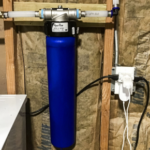
Instead of treating water at a single point, more homeowners are exploring whole home filtration systems—solutions designed to improve water quality as it enters the house.
It’s a different approach entirely. Every tap, every appliance, every drop of water benefits from the same level of treatment.
And once you experience that consistency, it’s hard to go back.
Because suddenly, you’re not just fixing one issue. You’re improving how water behaves throughout your entire home.
What Actually Gets Removed (and Why It Matters)
One of the biggest advantages of whole-home systems is their ability to handle a wide range of impurities.
We’re talking about sediment & contaminant removal—things like dirt particles, rust, chlorine, and other substances that can affect water quality. These aren’t always visible, but they can make a noticeable difference in how water tastes, smells, and feels.
When these elements are filtered out, the change is subtle but meaningful. Water feels cleaner. It smells neutral. It behaves more predictably in everyday use.
And that consistency? It’s what makes the biggest difference.
The Everyday Benefits You Don’t Expect
Improving your water doesn’t just impact drinking—it touches almost every part of your routine.
Your showers feel more refreshing. Your skin doesn’t feel as dry afterward. Your laundry comes out softer. Even cleaning becomes easier, since there’s less residue left behind on surfaces.
These aren’t dramatic changes, but they add up. Over time, they create a home environment that feels more comfortable, more effortless.
And that’s something you notice, even if you can’t always explain it.
Protecting What You Don’t See
There’s also a practical side to all of this. Water quality doesn’t just affect how things look and feel—it affects how long they last.
Sediment and contaminants can wear down appliances over time. Water heaters, dishwashers, washing machines—they all rely on clean water to function efficiently. When impurities are present, they have to work harder, and that can lead to earlier wear and tear.
By improving your water quality at the source, you’re not just enhancing your daily experience—you’re also protecting your home’s systems in the long run.
Keeping It Simple, Even When It Sounds Complicated
It’s easy to assume that whole-home filtration is complex or difficult to manage. But in many cases, modern systems are designed to be straightforward.
Once installed, they operate quietly in the background. Maintenance is usually minimal, and the system does its job without requiring constant attention.
The key is choosing a setup that fits your home’s needs—not something overly complicated, but something effective.
Because when it’s done right, you don’t have to think about it at all.
Why Many People Wait Longer Than They Should
Water issues tend to fall into that category of “not urgent, but important.” They don’t demand immediate action, so they often get pushed down the priority list.
People adapt. They use more cleaning products, replace appliances sooner, or simply get used to the small inconveniences.
But once you address the root cause, it becomes clear how much those small issues were affecting your daily life.
And that realization often comes with one thought: why didn’t I do this sooner?
A Quiet Upgrade That Changes Everything
The beauty of improving your home’s water is that it doesn’t feel like a major renovation. There’s no disruption to your routine, no dramatic overhaul.
Instead, it’s a quiet upgrade.
Water starts working the way it should. Your home feels more comfortable. Daily tasks become just a little bit easier.
And over time, those small improvements become the new normal.
Final Thoughts: When Water Finally Feels Right
At its best, water should be something you don’t have to think about. It should be clean, consistent, and reliable—supporting your daily life without getting in the way.
If it’s not, it’s worth taking a closer look.
Because once you improve it, the difference isn’t just in your water—it’s in how your entire home feels.
And sometimes, that kind of quiet change makes all the difference.