
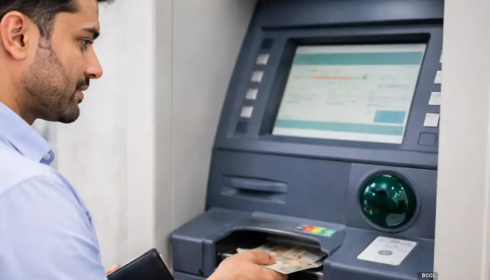
In today’s fast-paced digital world, banking has become quick and convenient. But sometimes, things don’t go as planned. You might withdraw cash from an ATM and the machine debits your account without dispensing money, or you accidentally send money to the wrong account. Situations like these can be stressful, but the good news is—they’re usually fixable if you act promptly.
Let’s break down what you should do in case of an atm transaction failed complaint, and how to resolve these issues smoothly.
Understanding ATM Transaction Failures
ATM failures are more common than people think. You insert your card, request cash, and suddenly the machine shows an error—or worse, no cash comes out, but your account gets debited.
This usually happens due to:
- Network connectivity issues
- Cash shortage in the ATM
- Technical glitches in the machine
- Server timeout between your bank and the ATM
If your account has been debited but you didn’t receive cash, don’t panic. Banks follow strict guidelines set by the Reserve Bank of India (RBI), and your money is generally refunded automatically within a few working days.
How to File an ATM Transaction Failed Complaint
If the money isn’t reversed within 24 hours, it’s time to take action.
Here’s what you should do:
1. Keep Transaction Details Handy
Note down the date, time, ATM location, and transaction ID. This information helps the bank track your issue quickly.
2. Contact Customer Care
Call your bank’s customer support number immediately. Most banks have 24/7 helplines for such issues.
3. Raise a Complaint Online
Log in to your bank’s net banking or mobile app and submit a complaint. This ensures there is a formal record of your issue.
4. Visit Your Bank Branch
If the issue isn’t resolved within a few days, visiting your home branch can speed things up.
5. Follow RBI Guidelines
According to RBI rules, banks must resolve ATM complaints within 5 working days. If they fail, you may be eligible for compensation (usually ₹100 per day of delay).
What Happens in Case of a Wrong Payment?
Sending money to the wrong account—whether via UPI, net banking, or IMPS—is another common issue. It usually happens due to entering the wrong mobile number, UPI ID, or account details.
Unlike ATM failures, reversing a Mistake payment is slightly more complicated because the money has already been credited to another person’s account.
Steps to Take After a Wrong Payment
If you’ve made a wrong transfer, timing is everything. The sooner you act, the better your chances of recovery.
1. Inform Your Bank Immediately
Call customer care and report the issue. Provide all transaction details, including the recipient’s information.
2. Raise a Complaint Through Official Channels
Use your bank’s app, website, or branch to file a formal complaint.
3. Contact the Recipient (If Possible)
If you know the person or can identify them, politely request a refund. Many cases are resolved this way.
4. Request Bank Intervention
Your bank will contact the recipient’s bank and try to reverse the transaction. However, this requires the recipient’s consent.
5. File a Complaint with NPCI
For UPI transactions, you can raise a complaint on the NPCI (National Payments Corporation of India) portal.
Tips to Avoid Such Issues
A little caution can save you from a lot of trouble. Here are some practical tips:
- Always double-check account numbers or UPI IDs before sending money
- Avoid rushing while making financial transactions
- Use trusted banking apps only
- Keep SMS/email alerts active for instant updates
- Prefer scanning QR codes instead of typing details manually
Final Thoughts
Banking errors can be frustrating, no doubt. But whether it’s an ATM failure or a wrong payment, most issues can be resolved with the right steps and timely action. The key is to stay calm, act quickly, and follow the proper complaint process.
Banks and financial systems today are designed with customer protection in mind. So even if something goes wrong, you’re not alone—there’s always a structured way to get your money back.
Just remember: speed matters. The faster you report, the better your chances of a successful resolution.