You’d think something as essential as water would be simple. Clear equals clean, right? Not so fast. Just because water looks fine in your glass doesn’t mean it’s free from trouble. Many of the most harmful contaminants in water are invisible to the naked eye, tasteless, and odourless—and they’re more common than you’d think.
It’s easy to assume our tap water is safe. After all, it flows, it’s regulated, and we’ve been drinking it for years. But modern agriculture, aging infrastructure, and industrial runoff have introduced a slew of pollutants that quietly make their way into our sinks, showers, and even baby bottles.
Not All Water Is Created Equal
Growing up, we probably drank from the hose without a second thought. These days, that same hose might be pushing out water with chlorine byproducts, lead from old pipes, or traces of fertilizer chemicals from upstream farms.
The scary part? Most of us wouldn’t know.
Water treatment plants do a good job—don’t get us wrong—but they can’t remove everything. And what they can’t catch often ends up inside your home. In rural areas, well water brings its own baggage, often unregulated and packed with regional risks that never make the headlines.
The Nitrate Dilemma
Let’s talk nitrates.
They sound harmless enough—just compounds found in soil and fertilizers. But when they slip into your drinking water, especially in farming-heavy regions, the consequences are anything but minor. High levels of nitrates have been linked to serious health conditions, especially for infants, where it can lead to something chillingly called “blue baby syndrome.”
Nitrates don’t give your water a funny taste or smell. That’s what makes them so sneaky.
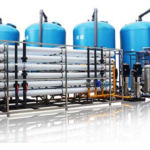
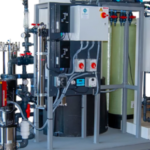
If you’re relying on a well or live near agricultural land, it’s smart to look into nitrate removal systems. These don’t just mask the problem—they tackle it head-on, often using reverse osmosis or ion exchange processes that strip out the harmful stuff without removing essential minerals.
But Wait, There’s Sulfate Too
While we’re on the subject of things hiding in your water, let’s shine a light on sulfate.
Sulfates are naturally occurring minerals, and in small amounts, they’re pretty harmless. But in higher concentrations? They can wreak havoc on your plumbing and, well, your stomach. If you’ve ever dealt with a mysteriously metallic or bitter-tasting tap water, sulfate might be the culprit.
Excess sulfate can cause dehydration, especially in infants, and long-term exposure might irritate your digestive system. The solution? You guessed it: dedicated sulfate removal systems. These are designed to maintain a delicate balance—removing the excess without flattening out your water’s natural flavour profile or mineral content.
The Cost of Complacency
It’s easy to delay action when everything seems “mostly fine.” Maybe you’ve had some minor stomach issues. Or maybe your appliances seem to be breaking down a little faster than expected. We tend to connect the dots only when things get noticeably bad.
But contaminants don’t usually shout. They whisper, slowly building up over time, leaving behind unseen damage in both our bodies and our homes.
By the time the signs are obvious—yellow stains, sulfur smells, skin irritation—the cleanup is usually more expensive than prevention would’ve been.
Filter or Purifier? Or Both?
One of the most common questions people ask is, “Do I just need a filter?”
Here’s the truth: not all filters are created equal.
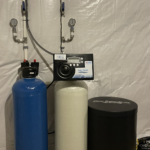
A basic carbon filter might help with taste or chlorine, but it won’t touch nitrates, sulfates, arsenic, or bacteria. You’ll need a multi-layered solution if you’re dealing with serious contaminants. That might mean pairing a sediment filter with a reverse osmosis unit, or installing a whole-house filtration system that treats water before it ever reaches your faucets.
Don’t just grab the cheapest filter off the shelf. Know what’s in your water first—then build your defense accordingly.
Getting Your Water Tested (Seriously, Just Do It)
Think of it as an annual checkup for your home. A simple water test can reveal what’s lurking behind the curtain and whether you’re at risk. Many reputable companies offer free testing or at least affordable analysis packages. It’s one of the easiest, smartest steps you can take for your health and peace of mind.
Testing isn’t just for well water, either. Even municipal supplies can fluctuate depending on seasonal changes, construction, or maintenance work.
If you’ve never tested your water—or haven’t in years—it’s probably time.
The Bottom Line
Water sustains life. It fuels our bodies, cleans our homes, and fills our glasses. But assuming it’s safe without proof? That’s a gamble you don’t want to take.
With contaminants like nitrates and sulfates becoming increasingly common, knowledge is your first line of defense. Follow it up with smart, targeted action—whether that’s testing, filtering, or installing removal systems—and you’ll never have to second-guess that next sip.