There’s something comforting about having your own water source. A private well feels independent, almost self-sufficient—like your home is a little more connected to the land than most.
But that comfort comes with a quiet responsibility.
Because unlike city water, which is treated and monitored before it reaches you, well water tells its own story. And sometimes, that story changes.
Not overnight. Not dramatically. Just enough to make you notice.
When “Clear” Doesn’t Always Mean “Clean”
One of the biggest misconceptions about well water is that if it looks clean, it must be fine.
And to be fair, it often is fine. But appearance doesn’t always tell the full story.
There can be things you don’t see—bacteria, dissolved minerals, natural compounds from the soil. They don’t always show up in taste or color right away, but over time, they can affect how your water behaves and how comfortable you feel using it.
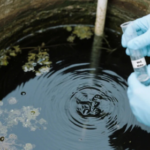
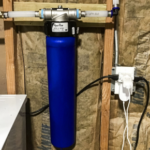
That’s why well water testing & treatment becomes such an important starting point. Not as a reaction to a problem, but as a way to understand what you’re working with.
Because once you know, everything else becomes easier.
The Subtle Signs You Start to Notice
Well water rarely announces its issues loudly. Instead, it leaves small clues.
A faint odor when you turn on the tap after a few hours. Slight discoloration in your sink. Laundry that doesn’t feel quite as fresh as it should.
At first, these things are easy to dismiss. Life is busy, after all.
But over time, they add up. And eventually, curiosity turns into action.
What About What You Can’t See?
Here’s the part that makes people pause.
Not everything in water is visible.
Bacteria, for example, can exist without changing the look or taste of your water. And while not all bacteria are harmful, some can pose risks if left unaddressed.
That’s why bacterial removal is often a key part of well water solutions. It’s not about assuming the worst—it’s about making sure your water is safe to use every day, without second-guessing.
And honestly, that peace of mind matters more than most people expect.
The Smell You Can’t Ignore
If you’ve ever dealt with well water, there’s a good chance you’ve noticed it—the smell.
That faint, sulfur-like odor that sometimes shows up, especially after water has been sitting in pipes. It’s not always strong, but when it’s there, it’s hard to ignore.
And then there’s iron. It doesn’t just affect smell—it leaves stains. Orange or reddish marks that seem to appear out of nowhere, clinging to sinks, tubs, even clothing.
This is where iron & sulfur control becomes more than just a technical fix. It’s about restoring a sense of normalcy. Water that doesn’t carry a scent. Fixtures that stay clean. Laundry that looks the way it should.
It’s about removing those constant little frustrations.
It’s Not About Perfect Water—Just Reliable Water
Here’s something worth keeping in mind: well water doesn’t need to be perfect.
It just needs to be reliable.
Consistent in taste. Comfortable to use. Free from things that cause concern or inconvenience.
And achieving that doesn’t always require complex systems. Sometimes, it’s a combination of simple solutions—each addressing a specific issue.
Because in the end, it’s not about over-engineering your water. It’s about making it work for your home.
How Treatment Changes Daily Life
What surprises most people is how much of a difference even small improvements can make.
Your water smells neutral. Your dishes come out cleaner. Your showers feel more refreshing.
You stop thinking twice before filling a glass. You stop noticing the little annoyances that used to be part of your routine.
It’s not dramatic. It’s subtle.
But it changes how your home feels.
Maintenance: Less Complicated Than You Think
There’s often hesitation around water systems because they sound like a lot to manage.
Filters, systems, upkeep—it can feel overwhelming.
But in reality, most setups are designed to be simple. You test your water occasionally. Replace components when needed. That’s about it.
It becomes part of your routine, not a burden.
And once you get used to it, it barely feels like maintenance at all.
A More Thoughtful Way to Live With Water
Living with well water is different. It requires a bit more awareness, a bit more involvement.
But that’s not necessarily a bad thing.
It means you’re connected to what you’re using every day. You understand it. You manage it.
And in a way, that makes your home feel more intentional.
A Final Thought That Feels True
Water is easy to overlook because it’s always there.
But when you rely on your own source, you start to see it differently. Not just as something that flows from a tap, but as something that deserves a bit of attention.
Not constant worry. Not overthinking.
Just enough care to make sure it’s doing what it should—quietly supporting your life, without getting in the way.
And when it does that, you stop noticing it again.
Which, honestly, is the best outcome you could ask for.