You don’t always notice hard water right away. It creeps in quietly. A chalky ring around the faucet. Glassware that never quite looks spotless, even fresh from the dishwasher. Shampoo that refuses to lather properly no matter how much you use.
At first, it’s just an annoyance. But over time, those small frustrations add up.
Hard water is common in many regions, especially areas with mineral-rich groundwater. It isn’t dangerous to drink. In fact, calcium and magnesium — the primary minerals responsible for hardness — are naturally occurring. But while they’re harmless to consume, they can wreak subtle havoc throughout your home.
That’s why so many homeowners eventually start researching water softener systems. Not because they’re chasing perfection, but because they’re tired of scrubbing, repairing, and wondering why their appliances seem to struggle more than they should.
What Hard Water Actually Does
Let’s break it down simply. Hard water contains higher levels of dissolved calcium and magnesium. When heated, those minerals separate and form scale — a crusty white buildup that sticks to pipes, heating elements, and fixtures.
You’ve probably seen it in your kettle. That flaky layer at the bottom? That’s scale.
Now imagine that same buildup forming inside your water heater. Over time, it insulates heating elements, forcing the system to work harder. Efficiency drops. Energy bills creep upward. Eventually, parts wear out sooner than expected.
Hard water doesn’t shout. It whispers — through rising costs and increased maintenance.
The Real-World Impact on Daily Life
Hard water doesn’t just affect appliances. It changes how water feels and behaves.
Soap reacts differently in hard water. Instead of rinsing cleanly, it combines with minerals to form a residue often called “soap scum.” That’s why showers feel less refreshing and why bathroom surfaces require more cleaning.
Laundry can feel stiff. Dishes may dry with cloudy spots. Even skin and hair sometimes feel drier than usual.
It’s these everyday inconveniences that often push people toward solutions.
How Softeners Actually Help
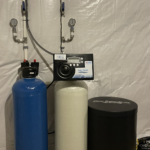
A softener works by replacing calcium and magnesium ions with sodium or potassium through a process called ion exchange. The result is water that no longer forms stubborn scale deposits.
One of the biggest advantages is hard water prevention at the source. Instead of constantly cleaning up mineral residue, you reduce its formation altogether.
This shift can extend the lifespan of plumbing systems, protect water heaters, and reduce the need for harsh cleaning products. It’s not flashy. It’s functional.
And often, you notice the difference within weeks — smoother-feeling water, less buildup, fewer spots.
Scale: The Hidden Expense
Perhaps the most underestimated benefit of a softener is scale reduction inside appliances.
Scale buildup inside pipes narrows water flow. In dishwashers and washing machines, it coats internal components. In water heaters, it reduces heat transfer efficiency.
Over time, these effects compound. Higher energy usage. More frequent repairs. Shorter equipment lifespan.
When scale is minimized, appliances tend to operate closer to their intended performance levels. That’s where long-term savings quietly appear.
Is It Necessary for Every Home?
Not necessarily.
If you live in an area with naturally soft water, installing a softener might be unnecessary. That’s why water testing is so important. Municipal reports often list hardness levels, and inexpensive home test kits can provide additional clarity.
Generally, water above 7 grains per gallon is considered moderately hard. Above 10, the effects become more noticeable.
Knowing your numbers removes guesswork.
Maintenance: A Practical Commitment
Like any system, softeners require upkeep. Salt needs refilling. Brine tanks should be checked periodically. Resin beds eventually wear out after many years of use.
The good news is that maintenance is relatively simple. Most homeowners refill salt once a month or so, depending on water usage. Setting reminders makes it routine.
Skipping maintenance, on the other hand, reduces effectiveness and can allow hardness to creep back in.
Consistency matters more than complexity.
Balancing Cost and Value
Water softeners represent an upfront investment. Equipment, installation, and ongoing salt costs all factor in.
But compare that to the hidden expenses of untreated hard water — appliance repairs, increased energy bills, cleaning supplies, and premature replacements.
The value isn’t always dramatic in the first month. It accumulates gradually.
And then there’s comfort. Softer water can feel gentler on skin and hair. Towels may feel fluffier. Showers might leave you feeling less dry.
These benefits aren’t purely financial — they’re experiential.
A Thoughtful Approach
It’s easy to get overwhelmed by technical specifications and brand comparisons. But at its core, the decision is simple: are the effects of hard water affecting your home and routine enough to justify intervention?
Testing first provides clarity. Matching system capacity to household size ensures efficiency. Choosing professional installation can prevent plumbing headaches.
Softening water isn’t about chasing luxury. It’s about reducing friction in everyday life.
Final Thoughts
Hard water doesn’t demand attention. It accumulates quietly, layer by layer, scale by scale.
Addressing it through a properly sized softener can simplify cleaning, protect appliances, and improve daily comfort in subtle but meaningful ways.
Water touches nearly every aspect of your home. Making it work better isn’t extravagant — it’s practical.
And sometimes, the most satisfying home improvements are the ones that quietly make life easier, without ever needing to show off.