There’s a moment — usually right after you finish cleaning — when the sun hits your glass shower door just right, and all you can see are streaks, foggy patches, and those chalky little rings that refuse to budge. If you’ve ever wiped the same spot five times with the same cloth and muttered a few choice words under your breath, you are very much not alone.
Whether it’s your bathroom mirror, living room windows, car windshield, or your favorite drinking glass, hard water stains on glass are annoyingly persistent. You clean, scrub, rinse… and somehow they’re still there, clinging on like they pay rent.
But here’s the good news: you don’t need an expensive product or a commercial cleaning crew. With the right tricks (and a little patience), you can get your glass surfaces looking crystal clear again.
This article is for regular people with real glass problems — and it comes with no fluff, no overly robotic instructions, and no magic potions. Just what works, why it works, and how to do it in your own imperfect home.
What Even Are Water Stains?
Before we launch into solutions, let’s get something straight: water stains aren’t just dried water. They’re leftovers — usually minerals like calcium and magnesium from hard water, especially in places where the water evaporates regularly (like in your shower or on a sunny windowpane).
Over time, those minerals build up and harden, becoming a cloudy or white film that doesn’t come off with a simple wipe. If ignored, they can even etch the surface, making them harder to clean later. So if you’re staring at some stubborn splotches, you’re not crazy — and you’re definitely not lazy.
Let’s Start with the Easiest Method First
If you’re trying to get water stains off glass, always start with the least aggressive method. You don’t want to scratch your surface or damage the finish before you even get going.
Vinegar Spray Soak
White vinegar is your best friend here. Its mild acidity helps dissolve mineral buildup without harming the glass.
What to do:
- Fill a spray bottle with equal parts distilled white vinegar and warm water.
- Spray it generously on the stained area.
- Let it sit for 10–20 minutes. This gives the vinegar time to do its thing.
- Use a non-scratch sponge or microfiber cloth to wipe in circular motions.
- Rinse and dry with a clean, dry towel or newspaper (yes, old-school still works).
If you’re dealing with vertical glass (like windows), soak paper towels in vinegar and stick them to the glass for 15 minutes. They’ll help the solution cling longer.
When Vinegar Isn’t Quite Enough
Sometimes, vinegar alone just doesn’t cut it — especially if the stains have been ignored for months or years. That’s when you need a little more oomph.
Baking Soda Boost
Here’s a natural, gentle abrasive approach that works wonders without scratching.
Steps:
- Mix 2–3 tablespoons of baking soda with a small amount of water to form a thick paste.
- Apply the paste directly onto the water-stained area.
- Mist with vinegar (expect some fizz — that’s normal).
- Let it sit for a few minutes.
- Scrub gently with a soft cloth.
- Rinse and dry thoroughly.
This combo is especially effective when you’re figuring out how to remove water stains on glass shower doors, stovetops, or car windows that have been collecting dust and drizzle for a while.
For the Truly Stubborn Stains
If you’ve already tried vinegar, baking soda, elbow grease, and a little desperation — and the stains are still there — it might be time to go semi-pro.
Enter: Bar Keepers Friend
Bar Keepers Friend is a mildly abrasive cleaner often used on stainless steel, tile, and yes, glass. It’s not “natural,” but it’s extremely effective for tougher stains.
How to use it:
- Wet the surface.
- Sprinkle a small amount of the powder directly on the glass.
- Use a damp sponge to work it in gently.
- Let it sit for a minute or two (not too long — this stuff works fast).
- Rinse thoroughly and wipe dry.
It’s a game-changer for hard water stains on glass in places like shower doors or glass stovetops. Just be sure to wear gloves and rinse everything well afterward.
Don’t Forget the Tools
Sometimes it’s not just about what you clean with, but how. Having the right tools makes a huge difference:
- Microfiber cloths: Don’t leave lint or streaks like paper towels.
- Magic Erasers: Excellent for gentle, scratch-free scrubbing (especially on mirrors and car glass).
- Squeegees: Your best friend in the shower. Every. Single. Day.
- Soft toothbrushes: Great for cleaning around corners and hardware.
What About Preventing Future Stains?
Look — cleaning glass is satisfying, but if you’re doing it weekly, it gets old fast. So let’s talk prevention.
- Dry your glass after use. Especially shower doors or kitchen glass. A quick wipe down can stop stains before they start.
- Use a water-repellent product. Something like Rain-X or EnduroShield helps water bead and slide off instead of sticking around.
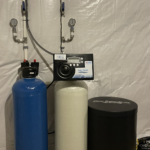
- Soft water helps. If hard water is a chronic problem in your home, consider installing a water softener. It’ll help with glass, laundry, appliances — even your skin.
- Spray vinegar weekly. Just a light mist on shower doors or mirrors helps keep the minerals from building up.
Sometimes, staying ahead of the problem is way easier than fixing it once it’s out of control.
Glassware Looking Cloudy?
If your glassware is coming out of the dishwasher looking like it’s been dipped in milk, it’s time for a deep soak.
Dish Fix:
- Fill a sink or large basin with one part vinegar and two parts hot water.
- Let your glasses soak for 30 minutes.
- Scrub gently and rinse.
- Dry with a microfiber cloth for a spotless shine.
For super stubborn cloudiness, try soaking in vinegar + lemon juice, or using a special rinse aid with your dishwasher.
Final Thoughts: Sparkle Without the Stress
Look, nobody likes battling spots on their windows or opening the dishwasher to a set of cloudy tumblers. But now that you’ve got a toolbox of real-world solutions, it doesn’t have to feel like such a fight.
From simple vinegar sprays to baking soda scrubs to just changing how often you wipe things down, removing stains from glass doesn’t have to be a production. Most of it is manageable, repeatable, and — dare we say — kind of satisfying when you finally see that streak-free shine.