You fill a glass, hold it up to the light, and it looks… clear. Maybe a tiny bubble or two. Maybe a faint chlorine smell. But it’s water, right? It’s fine.
Maybe. Or maybe not.
The truth is, water can look clean and still be a bit of a mess behind the scenes. Municipal systems do their best, but by the time that water runs through old pipes and reaches your tap, it might be bringing along some uninvited guests—sediment, chlorine, iron, bacteria, even trace chemicals you can’t pronounce without a chemistry degree.
And that’s where water filtration really shines. Not just as a techy buzzword, but as a practical, no-nonsense way to improve the stuff you use every single day—drinking, bathing, cooking, brushing, rinsing, you name it.
Let’s dig into what’s in your water, what it’s doing, and how to filter it out—without going down a rabbit hole of complicated systems or scare tactics.
You Can’t Remove What You Don’t Know Exists
First things first: have you ever had your water tested?
If not, you might be making decisions in the dark. Every home is different—some are pulling from municipal sources, others from private wells. Some homes have old copper piping, some have PVC, and others have mystery plumbing from 1978.
Without a test, you’re basically guessing. Maybe your water smells a bit funky. Maybe it leaves spots on your dishes. Maybe you’ve noticed that weird metallic aftertaste in your tea lately. These are clues, sure—but water testing gives you the full picture. Once you know what you’re dealing with, you can figure out how to remove contaminants effectively and confidently, instead of throwing money at filters that aren’t solving the real issue.
Sediment: The Grit You Didn’t Invite In
Let’s talk about the dirt. Literally.
Sediment is the sand, silt, rust, and other little particles that creep into your water—especially if you’re on a well, or if your home has older plumbing. Over time, sediment can damage appliances, clog faucets, and even mess with the taste and clarity of your drinking water.
The good news? It’s one of the easiest problems to solve. Sediment filtration systems come in all shapes and sizes, from basic spin-down filters to multi-stage setups that catch even the tiniest particles. It’s like giving your water a good shake, then a good strain.
Bonus: a solid sediment filter protects the rest of your filtration system by catching the big stuff before it can cause problems downstream. Think of it like a bouncer at the door—keeping the troublemakers out before they get to the party.
Filtration Is More Than Just a Brita Pitcher
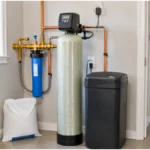
Don’t get me wrong—a countertop pitcher filter is better than nothing. But if you really want to clean up your water, you’ve got to go deeper. Whole-house systems, under-sink reverse osmosis, carbon block filters, UV sterilization—there’s a world of options, and they’re not just for tech geeks or off-grid survivalists.
Proper water filtration can target chlorine, fluoride, heavy metals, pesticides, pharmaceuticals, and even bacteria. You can build a system based on what’s actually in your water, rather than guessing what might be in everyone’s.
Some people just need basic carbon filtration. Others might need something more robust. Either way, it’s not about fancy labels—it’s about giving your family water you trust, without having to double-check every glass.
Taste, Trust, and a Bit of Peace of Mind
Here’s the part no one tells you: clean water just feels better.
You start drinking more of it, without thinking about it. Your coffee tastes richer. Your rice doesn’t come out with that faint metal tang. Your kids stop asking for bottled water (and so does your spouse). You save money. You waste less. You sleep a little easier knowing that whatever’s in your water—be it visible or invisible—is being handled.
Filtering water isn’t about paranoia. It’s about awareness and choice. If you’re willing to invest in organic produce or air purifiers or non-toxic shampoo, doesn’t it make sense to check the water you rinse everything with?
Start Small or Go Big—But Start Somewhere
You don’t have to rip out walls or drop a fortune on a NASA-grade system. Start small. Get your water tested. Install a sediment pre-filter. Add a carbon block under your sink. Build from there.
Or, if you’re all-in and ready for that “one system to rule them all” setup? There are great whole-home options that can be tailored to your home, your pipes, and your water habits.
And hey—ask around. You’d be surprised how many neighbors, friends, or coworkers have quietly made the switch already. Clean water might not be a brag-worthy topic at dinner parties, but once you’ve experienced the difference, you’ll want to tell everyone.
Final Pour: Don’t Wait for a Problem to Get Clarity
Water is one of those things that’s easy to ignore—until it’s not. But the benefits of filtration? They kick in immediately. Clearer water. Better taste. Less wear and tear on your home. More peace of mind in your glass.
So whether you’re just noticing rust in the tub or finally fed up with the chlorine smell, take that first step. Test your water. Understand your options. And choose a setup that fits your needs—whether it’s full-scale sediment filtration, carbon purification, or something that helps you remove contaminants you didn’t even know were there.