There’s a quiet assumption most of us carry — that the water coming out of our kitchen tap is “good enough.” Safe, treated, usable. And most days, that’s true. But every now and then, something feels slightly off. The taste isn’t quite right. The clarity seems a bit dull. You hesitate before filling a glass, even if you can’t explain why.
It’s not always a big problem. Sometimes it’s just a feeling.
And that feeling tends to lead people down a path they didn’t expect — thinking more seriously about what they’re actually drinking every day.
When “Safe” Doesn’t Always Mean Ideal
Municipal water systems do their job. They treat water to meet safety standards, and that’s important. But those standards are broad. They don’t necessarily account for taste, odor, or the small variations that can happen along the way.
Water travels through miles of pipes before it reaches your home. Along that journey, it can pick up residual elements — chlorine, sediment, even trace contaminants that don’t always show up in obvious ways.
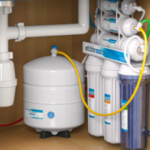
That’s often why people begin exploring reverse osmosis systems. Not because they distrust their water entirely, but because they want a higher level of control over what they’re consuming.
It’s less about fear and more about refinement.
The Difference You Can Actually Taste
Taste is one of the first things people notice when they switch to better filtration.
Water should feel neutral — clean, crisp, almost invisible in its flavor. But when it carries even slight impurities, that neutrality disappears. You might not always identify the exact issue, but you sense it.
Coffee tastes different. Tea feels less smooth. Even something as simple as a glass of water doesn’t feel as refreshing as it should.
When water improves, those differences become clear. Not dramatic, but noticeable. Everything tastes the way it’s supposed to.
That’s where the idea of purified drinking water really comes into focus. It’s not about luxury or over-engineering — it’s about consistency. Knowing that what you’re drinking, every single day, is as clean as it can reasonably be.
And that kind of confidence tends to stick.
What You Don’t See Still Matters
One of the challenges with water quality is that many of the issues aren’t visible.
You can’t always see dissolved solids or trace chemicals. You won’t notice microscopic contaminants just by looking at a glass. And that’s what makes it tricky — the absence of visible problems doesn’t always mean everything is perfect.
Filtration systems, especially more advanced ones, focus on contaminant removal at a level that goes beyond basic treatment. They target the things you wouldn’t normally detect — the small, lingering elements that can affect both taste and quality over time.
It’s a deeper level of filtration. Not something you think about every day, but something that quietly improves your water with every use.
A Small Change That Affects Daily Life
What’s interesting is how quickly better water becomes part of your routine.
At first, you notice the difference in taste. Then you start using it for more things — cooking, making beverages, even filling reusable bottles instead of buying packaged water.
It becomes your default.
And in the process, something shifts. You’re no longer relying on bottled water or second-guessing what comes out of your tap. You’re using what’s already in your home, just… improved.
It’s a small change, but it touches multiple parts of your day.
Not Just About Drinking
While drinking water is the main focus, the impact often goes beyond that.
Better water can improve the way ingredients behave in cooking. It can enhance the flavor of soups, sauces, and even simple boiled foods. Ice cubes become clearer, drinks taste cleaner, and there’s a noticeable consistency in everything you prepare.
It’s one of those ripple effects you don’t expect, but once you notice it, it’s hard to ignore.
Finding the Right Balance
Of course, not everyone needs the same level of filtration.
Some homes may benefit from a simple setup. Others might require more advanced systems, depending on local water conditions and personal preferences. The key is finding a balance — a solution that meets your needs without overcomplicating things.
Because at the end of the day, water should feel easy.
Not something you have to think about constantly, but something you trust.
The Comfort of Knowing What You’re Drinking
There’s a certain peace of mind that comes with understanding your water.
Not guessing, not wondering, not adjusting around it — just knowing.
It’s a quiet kind of confidence. The kind that doesn’t demand attention but stays with you over time. You pour a glass, take a sip, and don’t think twice about it.
And in a world where we question so many things, that simplicity feels valuable.
Bringing It All Together
Water is one of the most basic parts of daily life, yet it has a profound impact on how we feel, what we consume, and how we experience our routines.
Improving it doesn’t require a dramatic overhaul. Sometimes, it just takes a small step — a decision to look a little closer, to refine what’s already there.
And once you do, the benefits unfold quietly.
Better taste. Greater clarity. More confidence in something you use every single day.
Because in the end, it’s not just about water.
It’s about what that water becomes — part of your meals, your habits, your everyday life.
And when it’s right, everything else feels just a little bit better.