There’s something strangely frustrating about noticing that your supposedly “clean” water looks anything but. You fill up a glass and pause — there it is, that faint haze or milky swirl dancing just beneath the surface. Maybe you brush it off the first time, but over the days or weeks, the mystery deepens. Add in a few oddly-colored stains around your sink or tub, and suddenly your inner detective kicks in. What is happening with the water?
This isn’t just about cosmetic quirks. It’s about what’s hiding in plain sight — and what it could mean for your plumbing, your appliances, and your health.
That Not-So-Crystal-Clear Sip: What’s With the Cloudy Water?
Let’s start with the obvious visual offender: cloudy water. It’s one of the most common water complaints out there, and for good reason — when water doesn’t look right, it’s hard to trust it.
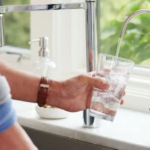
That hazy appearance is often due to air bubbles caused by temperature or pressure changes. If that’s the case, it’ll typically clear up after a few seconds, especially in a standing glass. But if the cloudiness sticks around? It might be sediment, calcium, magnesium, or even trace chemicals suspended in your tap water.
In older homes or homes pulling from a private well, this can be more than a cosmetic concern. High levels of turbidity — that’s the fancy term — can wear down pipes, dull your laundry, and leave your skin and hair feeling less than fresh.
Bottom line? If your water looks like it’s been stirred up from a puddle, it might be time to test.
When Your Plumbing Looks Like a Crime Scene: The Case of the Blue-Green Stains
One morning you notice a light bluish stain circling the bathtub drain. “Weird,” you think, scrubbing it away with some vinegar. But it comes back. Then again. And again.
Welcome to the strange world of blue-green stains — a surprisingly common symptom of low pH (acidic water) and corrosion in copper plumbing. The water eats away at the copper, and as it oxidizes, it leaves behind that tell-tale color.
It’s more than just an aesthetic issue. Over time, acidic water can degrade pipes from the inside out, leading to pinhole leaks, weakened joints, and costly repairs. If you’ve got that minty-colored ghost showing up uninvited, your home might be trying to tell you something.
And no, scrubbing won’t fix the cause — only the symptom.
Hard Truths: The Silent Damage of Hard Water Minerals
Now, let’s talk about something that doesn’t always show up in dramatic ways, but over time becomes the silent killer of appliances and plumbing alike — hard water minerals.
Calcium and magnesium are the usual suspects here. While they’re naturally occurring and technically safe to drink, they leave behind a trail of destruction in the form of scale buildup. Your shower head clogs. Your dishwasher struggles. Your hot water heater groans under layers of rock-like residue.
The thing about hard water is you don’t always notice it… until you do. Your skin might feel tight after a shower. Your laundry might never quite get soft. Dishes come out with spots, faucets get crusty, and you start replacing things more often than you’d like.
If that sounds familiar, you’re not alone — over 85% of U.S. homes reportedly have hard water. And if you live in the Midwest or Southwest? It’s practically a given.
The Emotional Toll of Cranky Water
It might sound dramatic to say bad water affects your mood, but think about it. You’re brushing your teeth in water that smells off, scrubbing endlessly at mysterious stains, or constantly replacing yet another worn-out appliance. It adds up — in time, in money, and in low-key resentment every time you turn on the tap.
There’s a strange kind of peace that comes from water that just works. That looks clean. That doesn’t stain or sputter or scald you with scale. We don’t talk about it much, but it’s one of those subtle luxuries you only miss when it’s gone.
So… What Can You Actually Do About It?
Alright, let’s cut through the doom and gloom.
First thing? Don’t guess. Water quality issues can look similar but have wildly different causes — and solutions. Get a water test. A good one. Whether it’s through a professional service or a reliable at-home kit, knowing what you’re working with is the only way to fix it properly.
If it’s air bubbles causing that cloudy look, a simple aerator might help. If it’s sediment or high turbidity? A filtration system designed for particulate removal is your best bet.
Blue-green stains? Look into pH-neutralizing systems. These often use calcite or soda ash to raise the pH and protect your pipes.
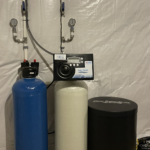
Hard water? A water softener can save your plumbing — and your sanity — by removing those stubborn minerals before they do damage. There are also salt-free conditioners if traditional softeners aren’t your thing.
The right solution depends entirely on what’s in your water — and that means testing first, then treating smart.
Prevention Is Cheaper Than Plumbing
Here’s the thing no one wants to hear: by the time you notice visible symptoms, the water’s probably been causing quiet damage for a while.
That cloudy look might just be aesthetic… or it might mean your filters are clogged, your well is stirred up, or your pipes are deteriorating. That greenish stain? Probably not going away until the pH is balanced. And the mineral buildup? Every month you wait just makes it worse.
Water problems are one of those “pay now or pay a lot more later” kind of deals. And honestly? It’s usually cheaper (and less stressful) to handle them early.
Clean Water Is a Quality-of-Life Thing
This isn’t just about plumbing or appliance efficiency. It’s about how you live.
Clean water makes everything easier — from washing dishes to showering to making coffee that doesn’t taste like chalk. It helps your skin, your clothes, your home, and your health.
And it gives you one less thing to worry about, which in today’s world? That’s a win.
In Closing: Listen to What Your Water’s Telling You
If there’s a takeaway here, it’s this: your water has a way of letting you know when something’s off. It might not shout, but it does whisper — in haze, in color, in taste, in residue.
You don’t have to be a water expert to recognize that change. You just have to listen. And then, if needed, act.