There’s nothing quite like starting your day with a hot shower… until you turn on the tap and get hit with an unmistakable stench. Not just any smell, either—it’s the kind that makes your nose wrinkle instantly. A weird, eggy, funky odor that seems to follow you around the house. If your water smells a little “off,” you’re not alone—and yes, your instincts are spot on.
That scent isn’t your imagination. It’s often the first clue that something’s wrong beneath the surface. Whether it creeps in slowly or shows up out of the blue, smelly water is a common issue in homes across the country—and it’s something you can do something about.
That Funky Egg Smell Has a Name (and a Reason)
So, what exactly is causing your water to smell like spoiled eggs? One word: sulfur. More specifically, hydrogen sulfide gas. It forms naturally in groundwater and is often produced by certain types of bacteria—especially in wells or plumbing systems that haven’t been treated or flushed in a while.
The smell might show up only in hot water, only in one bathroom, or throughout your whole house. It all depends on where the problem is starting. It could be your water heater. It could be the plumbing. Or it could be the source itself—like a private well with sulfur-loving bacteria doing their thing underground.
And while hydrogen sulfide in small quantities usually isn’t harmful, it’s certainly unpleasant. Over time, it can corrode your pipes, stain your fixtures, and make daily life smell just plain gross.
Smell Is Only the Beginning
That sulfur scent isn’t just a sensory nuisance. It’s a red flag. Hydrogen sulfide gas can lead to issues beyond the nose. It may cause metal corrosion in your plumbing, black stains on silverware and plumbing fixtures, or even leave a sour taste in your food and drinks.
In rare cases—especially in poorly ventilated areas—the gas can build up to dangerous levels, though this is unlikely in standard household use. Still, even the mild version is enough to ruin your morning coffee or make guests second-guess your tap water.
One thing’s for sure—if you’ve got a persistent rotten egg smell in your home’s water, it’s not something to brush off or “wait out.” It usually doesn’t go away on its own, and ignoring it may lead to bigger problems later.
The Usual Suspects: Where It’s Coming From
So, how do you track down the cause? Start by asking a few questions:
- Does the smell come from both hot and cold water?
- Is it present in every faucet or just one?
- Does it go away after running the tap for a while?
If it’s only in your hot water, your water heater could be to blame. The magnesium anode rod inside older water heaters can react with bacteria in the tank, creating hydrogen sulfide gas. Swapping it out for an aluminum or zinc anode can often help.
If the smell is in both hot and cold water and throughout the house, the source may be your well or municipal water line. This calls for water testing—a simple but essential step in figuring out what kind of treatment you’ll need.
Testing, Then Treating
Before throwing money at a solution, get your water tested. Whether through a home kit or a local water professional, you’ll want to know if you’re dealing with hydrogen sulfide gas, sulfur bacteria, or another issue entirely.
Once you’ve got the test results, you can look into the right fix. Options might include:
- Shock chlorination for bacterial issues
- Activated carbon filters to remove low levels of hydrogen sulfide
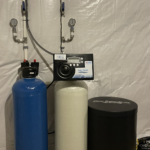
- Aeration systems for oxidizing the gas and venting it
- Ozone or chlorine injection systems for heavy-duty treatment
Each setup has its pros and cons, depending on the severity of the issue and your home’s plumbing layout. But the important thing is this: there are solutions—and most are more affordable than you might think.
Don’t Just Cover It Up
One common mistake is trying to “mask” the smell—using scented cleaners, installing faucet diffusers, or just avoiding the worst-smelling taps. But the problem doesn’t go away just because you can’t smell it anymore.
You wouldn’t ignore a leak just because you put a towel under it, right? Same principle here. When it comes to smelly water, it’s always better to fix the source than chase the symptoms.
You Deserve Better Water
You use water every day. To bathe. To cook. To drink. To clean. It’s woven into the rhythm of your life. So when that water turns from refreshing to repulsive, something needs to change.
A small fix—like replacing a heater anode or installing a filter—can have a big impact. Not just in the air, but in the way you feel about your home. No more guessing games. No more apologizing to guests. Just clean, clear, fresh-smelling water that does exactly what it should.
Final Thought: Trust Your Senses
If your nose is telling you something’s not right, don’t ignore it. That weird eggy smell? It’s not just “how water is.” It’s a signal. And with the right tools and the right approach, you can tackle it head-on—so your home can smell like home again.