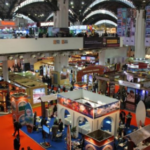
At SATTE 2026 in New Delhi, the real action wasn’t just happening at the booths. It was happening in conversations. Honest, sometimes intense, policy conversations. At one of the most influential Travel Trade Shows In India, industry leaders and government voices came together not to celebrate numbers, but to question what’s slowing growth — and how to fix it.
From Networking to Nation-Building
Visa delays, tax complexities, and regulatory overlaps; these weren’t side complaints whispered in corridors. They were front-and-centre topics. Stakeholders made it clear that if India wants to compete globally, processes must become smoother and smarter. This is where a serious Travel Fair India platform proves its value; it creates space for problems to be addressed collectively, not individually.
Reforms That Think Long Term
There was also a strong focus on skills and systems. Tourism isn’t just about destinations; it’s about trained professionals, global service standards, and digital readiness. Discussions highlighted upgrading tourism education, investing in workforce development, and embedding technology into policy frameworks. At a leading Travel Expo India, these ideas don’t remain theory; they influence actual budget priorities and state-level amendments.
Sustainability Isn’t Optional
Another shift was clear. Responsible tourism is no longer a panel topic; it’s becoming policy language. Community-led models and eco-conscious infrastructure are steadily moving from discussion tables into draft reforms.
What made SATTE 2026 different was the tone. It felt less transactional and more transformational. The event didn’t just host dialogue; it helped shape direction. And as tourism policies evolve beyond 2026, these conversations will quietly continue influencing the roadmap.