Most customers never think about the water used in a restaurant kitchen, a hotel laundry system, or a manufacturing facility. They see spotless glasses, perfectly washed linens, and products that meet quality standards — and they assume it all just works.
But behind those everyday experiences lies something far more important than most people realize: water quality management.
For businesses, water isn’t just a utility. It’s a critical operational factor that affects efficiency, equipment lifespan, product consistency, and even brand reputation. When water quality is overlooked, the consequences often appear slowly — in higher maintenance costs, inconsistent results, and avoidable disruptions.
Understanding how to manage water effectively isn’t just a technical necessity. It’s a strategic decision that can shape long-term business success.
Why Water Quality Matters in Commercial Settings
Unlike residential environments, commercial facilities typically use water at a much higher volume and frequency. Restaurants run dishwashers continuously. Hotels process thousands of gallons daily for laundry and guest use. Manufacturing plants depend on precise water quality for production processes.
Because of this heavy usage, even minor water quality issues can escalate quickly.
Hard water minerals, for example, can accumulate inside pipes and equipment, reducing efficiency and increasing energy consumption. Sediment and impurities may also affect product quality or cleaning performance.
In commercial settings, consistency is everything. Water quality plays a key role in maintaining that consistency.
The Role of Filtration in Business Operations
Filtration systems serve as the first line of defense against water contaminants. They remove sediments, chlorine residues, and particulate matter that could interfere with equipment performance or product standards.
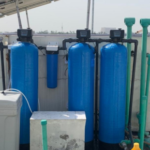
Businesses often rely on commercial filtration systems designed to handle high water volumes while maintaining reliable performance.
These systems help protect machinery, improve water clarity, and ensure consistent operational results.
Without proper filtration, even small impurities can lead to costly maintenance issues over time.
How Reverse Osmosis Supports Precision Needs
Certain industries require exceptionally pure water. Food processing, pharmaceuticals, and electronics manufacturing often depend on water free from dissolved solids and chemical contaminants.
This is where commercial reverse osmosis systems play a crucial role. By using specialized membranes, these systems remove extremely fine impurities, producing water suitable for high-precision applications.
Reverse osmosis also improves taste and consistency in food and beverage operations, ensuring that customers receive the same quality experience every time.
For businesses where precision matters, water purity becomes a competitive advantage.
Managing Hard Water in High-Usage Environments
Hard water is one of the most common challenges faced by commercial facilities. It contains dissolved minerals that form scale deposits inside pipes, boilers, and equipment.
Over time, this buildup reduces efficiency, increases energy consumption, and leads to frequent repairs.
Installing commercial water softeners helps address this issue by removing hardness minerals before water enters the system.
Softened water protects equipment, improves cleaning performance, and reduces long-term maintenance costs.
For businesses, this translates into greater operational reliability.
The Financial Impact of Proper Water Treatment
Investing in water treatment solutions may seem like an additional expense, but it often leads to substantial cost savings over time.
Untreated water can damage expensive equipment, increase energy usage, and require frequent repairs. In high-volume commercial settings, these costs accumulate quickly.
Proper water management helps extend equipment lifespan, improve efficiency, and reduce downtime.
Preventive care is almost always more economical than reactive repairs.
Protecting Brand Reputation Through Water Quality
Water quality also influences customer perception. In hospitality industries, for example, customers may notice spots on glassware, inconsistent beverage taste, or poor laundry results.
These small details can impact overall satisfaction and brand reputation.
Maintaining high water quality standards helps businesses deliver consistent experiences that meet customer expectations.
Reliability builds trust.
Environmental Benefits of Efficient Water Management
Water treatment systems not only support business efficiency but also contribute to environmental sustainability.
Efficient filtration and softening reduce water waste, lower energy consumption, and minimize chemical usage.
Businesses that prioritize responsible water management often align with broader sustainability goals, which can enhance their public image.
Environmental responsibility increasingly influences consumer choices.
Choosing the Right Water Treatment Strategy
Every business has unique water needs based on industry requirements, facility size, and local water conditions.
Professional water assessments help identify specific challenges and determine the most effective treatment solutions.
Combining filtration, purification, and softening technologies often provides comprehensive protection.
Tailored strategies ensure optimal results.
The Human Side of Reliable Water Systems
Behind every efficient water treatment system is a team of professionals dedicated to maintaining performance and reliability.
Technicians monitor system functionality, perform maintenance, and ensure that equipment operates according to industry standards.
Their expertise helps businesses avoid disruptions and maintain consistent operations.
Reliable water systems depend on both technology and skilled support.
A Final Thought: Water as a Strategic Resource
For businesses, water isn’t just a background utility — it’s a strategic resource that influences efficiency, product quality, and customer satisfaction.
Investing in proper water treatment solutions ensures consistent performance, protects infrastructure, and supports long-term success.
Because ultimately, clean, reliable water isn’t just about operations.
It’s about creating stability, maintaining standards, and quietly supporting the systems that keep businesses running smoothly every single day.