
There’s something satisfying about seeing a space finally come together after a big cleanup. A garage where you can actually park the car, an attic that no longer feels like a maze, or a yard free of storm debris can make a home feel different almost overnight. Getting there, however, is rarely as simple as picking up a few bags and carrying them to the curb. Old furniture, broken household items, branches, construction scraps, and years of forgotten belongings can add up quickly.
The trick is to approach cleanup with a plan. A little preparation helps you work more safely, avoid unnecessary trips, and decide what should be discarded, donated, recycled, or handled separately. Whether you’re tackling one room or organizing a larger neighborhood effort, the goal is the same: clear the mess without creating a new one.
Start Small Before Taking on the Whole House
Large cleanup jobs can feel overwhelming because it’s difficult to know where to begin. Looking at an entire packed garage or an attic filled with boxes might make you want to postpone the work for another weekend. Instead, divide the space into manageable sections. One shelf, one corner, or one group of boxes is enough to get started.
Set aside separate areas for items to keep, donate, recycle, and discard. This prevents useful belongings from accidentally ending up in the rubbish. It also gives you a chance to make decisions before the floor becomes covered with everything you’ve pulled out.
During garage and attic cleanouts, it’s especially important to think about access and safety. Attics may have limited lighting, exposed nails, unstable flooring, or insulation that requires protective equipment. Garages can contain sharp tools, leaking containers, old batteries, and heavy objects that are awkward to lift. Wear suitable gloves and sturdy footwear, keep walkways clear, and ask for help with bulky items.
Don’t feel obliged to finish everything in a single day. A steady pace usually works better than rushing through a job and ending up exhausted. If you discover old paint, solvents, pesticides, or other potentially hazardous products, set them aside and check your local disposal guidance rather than placing them in an ordinary waste container.
Make a Waste Removal Plan Before the Piles Grow
One of the most common cleanup mistakes is leaving disposal until the very end. The sorting goes well, the room looks better, and then several large piles remain with nowhere to go. Suddenly, the driveway is crowded, the bins are overflowing, and the job isn’t really finished.
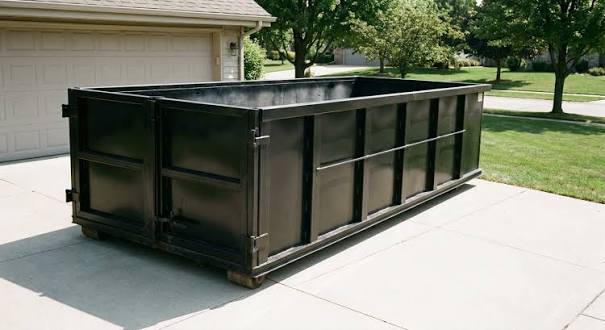
Before you start, estimate how much material you’ll need to remove. A few bags of household rubbish may fit into regular collection, while old cabinets, broken furniture, flooring, and bulky items may require a different arrangement. For a substantial cleanup, a rented dumpster can provide one central place for acceptable waste throughout the project.
Check the container size, rental period, weight limits, and rules about prohibited materials before making a booking. Some items, including electronics, tires, chemicals, and appliances containing refrigerants, may need separate handling. Requirements vary by location and provider, so confirm the details instead of assuming everything can go into the same container.
Placement matters, too. A container should be easy to reach without blocking garage access, sidewalks, or neighboring driveways. Make sure the delivery truck has enough room to maneuver, and check whether local permission is required if the container will sit on a public street.
A little planning can save several trips and keep the cleanup area more manageable from beginning to end.
Responding Quickly When a Storm Leaves a Mess
After severe weather, the first priority is safety, not making the property look tidy. Fallen branches, damaged fencing, loose roofing materials, and scattered outdoor furniture can create hazards around a home. Before beginning cleanup, check for downed power lines, unstable trees, and visible structural damage. Stay clear of dangerous areas and contact qualified professionals when needed.
Effective storm cleanup starts with separating materials by type. Branches and leaves may be accepted through local yard-waste services, while damaged furniture, broken fencing, and general debris may need another disposal method. Roofing materials and heavy construction debris can have specific weight or handling requirements, so confirm what your disposal provider accepts.
Take photographs of visible damage before moving debris, provided it’s safe to do so. If you plan to file an insurance claim, those records, along with receipts and repair estimates, may help document the situation. Contact your insurer to understand the process and coverage rather than assuming every item damaged by weather will be reimbursed.
It’s tempting to start clearing everything immediately, particularly when the yard looks chaotic. But don’t climb onto a damaged roof or cut down a leaning tree yourself just to speed things up. Some tasks require trained crews and specialized equipment. Getting the dangerous work handled first can prevent an already stressful situation from becoming worse.
Give Useful Items a Second Chance
Not every item removed during a cleanup belongs in the rubbish. A table that’s no longer needed, a working lamp, or a set of garden tools might be useful to someone else. Before throwing things away, consider whether they can be donated, sold, repaired, or passed along to family and neighbors.
Be realistic about condition. Items that are broken beyond repair, heavily contaminated, or unsafe to use may not be suitable for donation. Check with local charities before delivering large items, since acceptance policies and collection options vary. Some organizations can arrange pickups, while others have limited storage space.
Recycling is another option, but it helps to know the rules. Cardboard, metal, certain plastics, and electronic equipment may have separate collection requirements. Keep recyclable materials clean and separated when possible. Mixing everything together can make recovery harder and may mean that otherwise reusable materials end up being discarded.
These decisions take a little extra time, but they can reduce waste and make the overall cleanup feel more worthwhile. You’re not just making room; you’re also considering what happens to the things you no longer need.
Bring Neighbors Together for a Shared Effort
Some cleanup jobs extend beyond a single property. Vacant lots collect rubbish, shared outdoor spaces become untidy, and neighborhood paths can accumulate branches or discarded items. When residents work together, these areas can become cleaner and more welcoming without leaving the entire burden to one person.
Well-organized community cleanup projects begin with a clear scope. Decide which areas need attention, identify the types of waste likely to be collected, and arrange disposal before volunteers arrive. Assign simple roles, such as collecting litter, sorting recyclables, or directing bulky items to the designated area.
Provide gloves, bags, drinking water, and clear safety instructions. Volunteers should never handle unknown chemicals, medical waste, sharp objects without proper equipment, or materials near damaged electrical lines. Contact the relevant local authority or a qualified service for hazardous or unusually heavy debris.
It’s also useful to set a realistic time limit. A two-hour cleanup with a defined goal can be more successful than an open-ended event where volunteers don’t know when the work will finish. Afterward, share what was accomplished and thank everyone who contributed. Small efforts become easier to repeat when people can see the results.
Finish the Job With a Space You Can Maintain
Once the waste is gone, take a few minutes to organize what’s left. Put frequently used tools where they’re easy to reach, label storage boxes, and keep heavy objects on stable shelves. In the yard, trim back overgrown areas, clear drainage paths, and arrange regular maintenance so debris doesn’t accumulate again.
Before the final waste collection, check the container’s fill line and make sure nothing prohibited has been added. Keep the access route clear and confirm the pickup schedule with the provider. If the project produces more waste than expected, ask about the available options instead of piling material above the permitted level.
A successful cleanup isn’t measured only by how much rubbish disappears. It’s also about creating a space that’s safer, easier to use, and less likely to become cluttered again.
A Fresh Start Begins With a Sensible Plan
Clearing out a home, dealing with storm debris, or helping tidy a shared neighborhood space takes effort, but it doesn’t need to become an exhausting ordeal. Start with a manageable area, sort items thoughtfully, and choose a disposal method that fits the amount and type of waste.
Most importantly, give yourself enough time to do the work safely. With realistic expectations and a little organization, even a cluttered garage or a messy yard can become a space you feel good about again. Sometimes, a fresh start begins with nothing more complicated than making room for what matters.